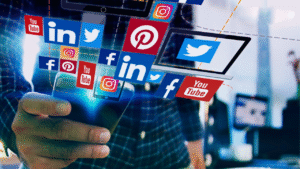
Social media is now deeply woven into the fabric of daily life in Ghana. Platforms such as Facebook, Instagram, X (formerly Twitter), TikTok, and WhatsApp have reshaped how people connect, share information, build businesses, and even engage in politics. For young Ghanaians in particular, these platforms have become the go-to channels for news, entertainment, and opportunity.
But while the benefits are undeniable—especially for small businesses marketing to wider audiences—there is a growing economic cost that cannot be overlooked.
🔹 Falling Productivity Many professionals and students spend hours daily on social media, often during productive hours. Studies in comparable African markets show a direct link between excessive social media use and lower work or academic output. In Ghana’s case, where productivity levels already lag behind global standards, this is an economic red flag.
🔹 Pressure on Local Businesses Ghanaian businesses face an uphill battle competing against global brands aggressively promoted through influencers and ads. Consumer spending shifts away from local goods toward foreign products, draining domestic markets and limiting the growth of homegrown enterprises. At the same time, digital ad revenues flow to international tech giants like Meta and Google, bypassing Ghanaian media companies and reducing local reinvestment.
🔹 Cyber Fraud and Online Scams Ghana has seen a rise in online scams, with social media often being the launchpad. From fake investment schemes to phishing attacks, many people have lost hard-earned savings to fraudsters exploiting digital platforms. Beyond the personal financial loss, this erodes trust in digital commerce and slows adoption of fintech solutions that could otherwise drive economic inclusion.
May Interest YouFrom Football Transfers to Finance: Lessons from the Liverpool–Isak–Newcastle Saga
🔹 Mental Health and Economic Ripple Effects Excessive use of social platforms is increasingly linked to anxiety, low self-esteem, and depression—especially among young people. These issues have long-term economic costs: reduced productivity, higher healthcare needs, and weaker human capital development, which is critical for Ghana’s future competitiveness.
🔹 The Cost of Data Internet access in Ghana remains expensive relative to average incomes. For many households, a significant share of disposable income is spent on mobile data—often primarily for social media consumption. This diverts resources from savings, education, or small-scale investments that could have more lasting economic benefits.

The Way Forward Social media in Ghana is here to stay—and it holds great promise for entrepreneurship, connectivity, and innovation. But the negative economic implications demand attention. Policymakers, businesses, and civil society must work together to:
- Strengthen digital literacy programs.
- Protect consumers from cyber fraud.
- Support local businesses to compete fairly online.
- Improve mental health awareness and support systems.
- Explore data affordability initiatives that free up income for more productive use.
May Interest YouFraud in the Financial Sector: A Call to Strengthen Internal Controls
At Bizexcel Partners, we believe Ghana can harness the opportunities of social media while safeguarding its economy. The key lies in balance—celebrating innovation while putting in place policies that ensure digital growth does not come at the expense of long-term economic stability.
Source: Bizexcel Partners